Choosing the right coffee machine for home use can be a daunting task. With countless models and features available, it's easy to feel overwhelmed. A suitable coffee machine should not only meet your brewing preferences but also fit your lifestyle.
Consider your daily routine. Do you need a quick cup on busy mornings? Or do you enjoy the art of brewing slowly? Machines range from simple drip models to advanced espresso machines. Each type has its unique benefits. For instance, some may deliver rich, espresso-like drinks, while others excel in convenience.
Investing in a quality coffee machine can transform your coffee experience. However, it's important to reflect on your actual needs. Rushing into a purchase may lead to disappointment later. Think about how often you plan to use it and what types of coffee you prefer. Ultimately, a well-chosen coffee machine can provide you with that perfect cup to kickstart your day.
Understanding Different Types of Coffee Machines for Home Use
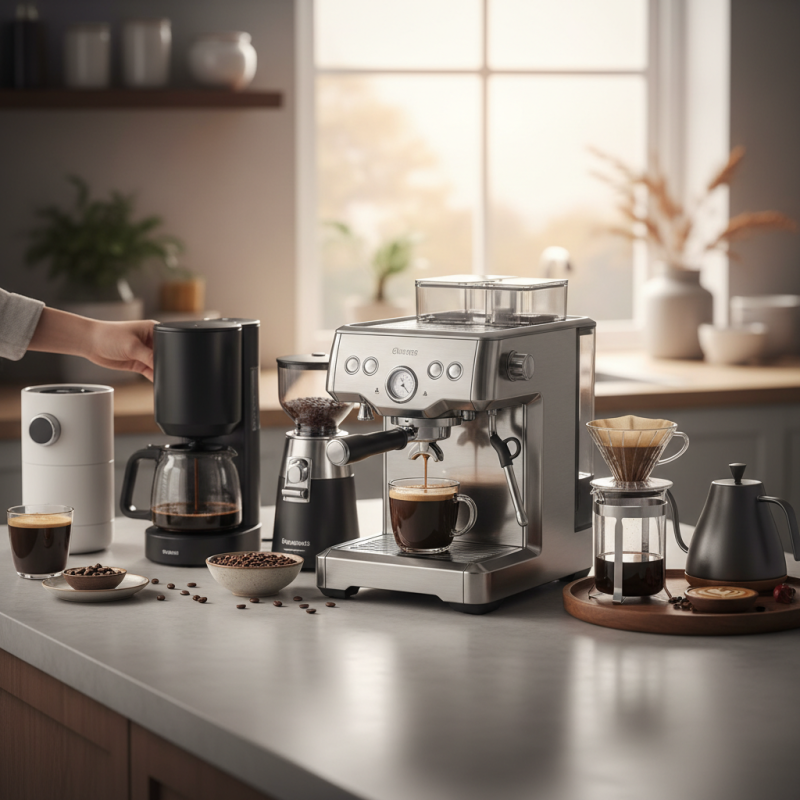
When exploring coffee machines for home use, understanding the types available is vital. Drip coffee makers are popular for their ease of use. They brew multiple cups at once, ideal for busy mornings. Espresso machines offer a different experience, allowing for rich, bold flavors. However, they can be complicated to operate.
Consider your coffee preferences before choosing. If you enjoy espresso-based drinks, you might need an espresso machine. For casual coffee drinkers, a drip maker may suffice. Always remember that while quality is important, your brewing technique matters too. A poorly maintained machine might not yield the best results.
Tips: Clean your machine regularly to maintain flavor. Use filtered water to improve taste and minimize mineral buildup. Experiment with different grind sizes; they significantly affect the brewing process. Don't shy away from trial and error; it’s part of finding your perfect cup!
Key Features to Consider When Choosing a Coffee Machine
When selecting the best coffee machine for home use, several crucial features merit consideration. Capacity is essential. For individuals, a single-serve machine suffices. For families, a larger model may be necessary. According to recent studies, machines with a capacity of 10 to 12 cups are quite popular. They cater well to the demands of multiple users.
Brewing methods are also significant. Drip coffee makers remain prevalent, but espresso machines increasingly attract enthusiasts. A survey revealed that approximately 60% of coffee drinkers prefer drip coffee for its convenience. Meanwhile, espresso aficionados often seek machines with milk frothers for lattes and cappuccinos. Reliability is paramount too; investing in a durable machine can save money long-term.
User-friendliness is another aspect that shouldn’t be overlooked. Intuitive controls and easy-to-clean components enhance the overall experience. Approximately 70% of users report frustration with overly complicated machines. When choosing a machine, always consider the learning curve. Not all models are beginner-friendly. Some may require critical skills or a deep understanding of coffee brewing norms. Always weigh the pros and cons to ensure the machine fits your lifestyle.
Popular Coffee Machine Brands and Their Offerings
When selecting a coffee machine for home use, popular brands stand out for their distinct offerings. Renowned for their innovation, many manufacturers focus on user-friendly features, ensuring a quality brewing experience. According to recent industry reports, approximately 40% of households now own a coffee machine, signaling the growing trend of home brewing. This shift emphasizes the need for reliable machines that can deliver café-quality coffee.
Several brands cater to diverse preferences. For instance, entry-level machines often come with simple operations but may lack advanced features. Mid-range models frequently strike a balance between functionality and price, appealing to casual drinkers. On the other hand, high-end machines offer precision and customization, ideal for enthusiasts. Reports show that 60% of consumers express satisfaction with machines in the mid-range category, yet many note the occasional complexity in setup and usage.
While many brands claim superior technology, a closer look reveals inconsistencies in performance. Some machines deliver inconsistent temperature control, leading to varied brew quality. User manuals may also be complicated, creating hurdles for novice users. As consumers seek the best coffee machine, it’s essential to consider individual brewing habits and preferences. Researching user reviews and seeking expert recommendations can help navigate the crowded market and identify the best fit for personal needs.
Comparing Price Range and Value for Home Coffee Machines
When choosing a coffee machine for home use, price and value are crucial factors. Many machines come in various price ranges, offering different features. Entry-level models can be quite affordable, often below $100. They may lack advanced features but can still brew a decent cup of coffee. However, these machines may not last as long, leading to additional costs in the future.
In the mid-range category, between $100 and $300, you'll find machines with more features. These might include programmable settings, higher capacity, and better build quality. Investing a bit more can provide a reliable machine that enhances your daily coffee ritual. Yet, it’s vital to consider your brewing habits. If you drink coffee infrequently, you might not need a high-end model.
On the other hand, high-end machines can exceed $300. They often include advanced technology, like temperature control and specialty brewing options. While they promise excellent coffee, they require a significant commitment. Reflecting on your actual needs is essential. Will you use all the features? Are you ready to maintain a more complex machine? These are important questions to ask before making a purchase.
Maintenance and Care Tips for Longevity of Coffee Machines
Maintaining a coffee machine is vital for its longevity. Proper care ensures that each cup of coffee tastes fresh and flavorful. Industry studies show that regular maintenance can extend a coffee maker's lifespan by as much as 50%. Daily cleaning can prevent the buildup of oils and residues. This, in turn, avoids affecting the machine’s performance and taste quality.
Descaling is an essential process. Minerals from water can accumulate and disrupt the heating elements. Using a descaler every 3 to 6 months can significantly improve efficiency. Notably, 30% of coffee makers fail due to neglecting this simple maintenance task. It is crucial to check the manufacturer's guidelines for specific recommendations. Regularly replacing water and cleaning the brew basket also enhances flavor and functionality.
A notable aspect of care is how it's easy to overlook small details. Ignoring the water reservoir can lead to mold growth. The filter also needs routine replacement. Even small lapses in maintenance can result in bigger problems down the line. Keeping track of maintenance schedules can be challenging, but it pays off. Data suggests that well-maintained machines can even produce coffee with 20% better flavor profiles.
FAQS
: For individuals, a single-serve machine is enough. Families often need models with a capacity of 10 to 12 cups.
Drip coffee makers are the most common. About 60% of coffee drinkers prefer drip coffee for its convenience.
Espresso machines are popular among enthusiasts. They often come with milk frothers for making lattes and cappuccinos.
Very important. About 70% of users find complicated machines frustrating. Choose one with intuitive controls for ease of use.
Regular cleaning and descaling can extend lifespan by up to 50%. These practices help maintain flavor and performance.
Descale every 3 to 6 months. Neglecting this can lead to reduced efficiency and even failure.
Ignoring the water reservoir can cause mold. Also, not replacing filters regularly can degrade coffee quality.
Yes, well-maintained machines can produce coffee with 20% better flavor profiles. Small lapses can lead to bigger issues.
Keeping a written log can help. Regular reminders can ensure you don’t forget critical tasks, improving longevity.
It can be. Small details are often overlooked. However, paying attention to maintenance pays off in better taste.
Conclusion
When selecting the best coffee machine for home use, it is essential to understand the various types available, such as drip coffee makers, espresso machines, and single-serve units. Each type offers unique brewing methods and flavors, catering to different preferences. Key features to consider include brewing capacity, ease of use, and additional functionalities like programmable settings and built-in grinders.
Moreover, evaluating the price range is crucial to ensure you get the best value for your investment. While some machines may come with a higher price tag, they often provide enhanced quality and durability. Finally, proper maintenance and care are vital for ensuring the longevity of your coffee machine, from regular cleaning to timely part replacements. By considering these factors, you can choose a coffee machine that suits your lifestyle and delivers delicious brews for years to come.

 Blossom