Choosing the right salt grinder is crucial for enhancing your culinary experience. A good salt grinder can elevate flavors and add a personal touch to your dishes. Many considerations come into play when selecting the best one for your kitchen.
When you think of a salt grinder, imagine not only its appearance but also its functionality. Some grinders offer adjustable settings for coarseness, allowing you to personalize your seasoning. Others have stylish designs that enhance your kitchen decor. Yet, finding one that combines both aesthetics and practicality can be challenging. Durability is essential too; a poorly constructed grinder might disappoint you over time.
In the world of salt grinders, brand reputation matters. Trustworthy brands often have better quality control and customer feedback. However, not all expensive models guarantee satisfaction. Some affordable options may surprise you with their performance. It's important to experiment and reflect on your personal preferences. Ultimately, the right salt grinder should feel comfortable in your hand and complement your cooking style.
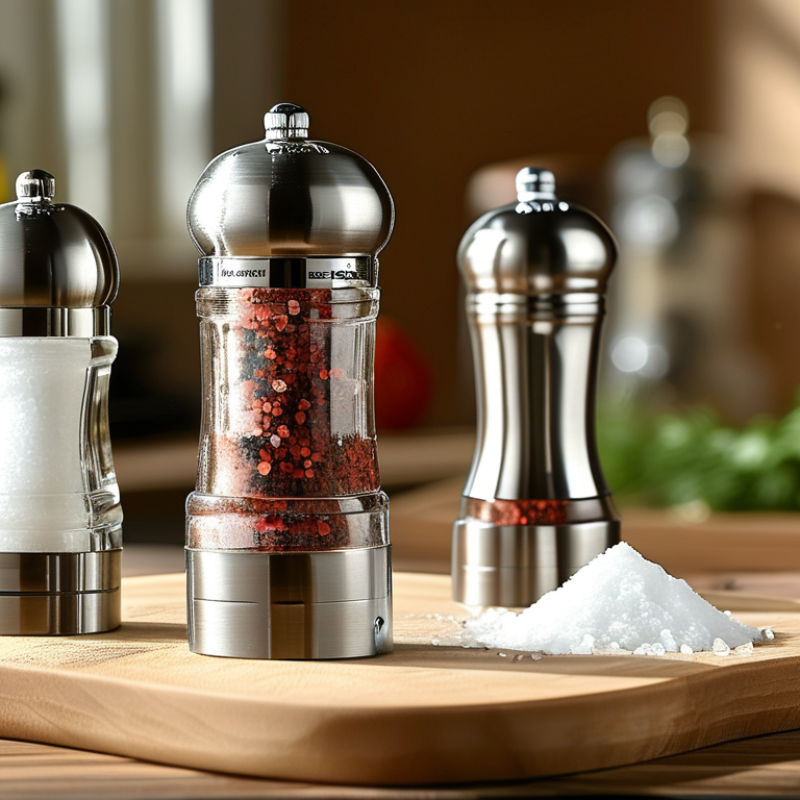
When selecting a salt grinder, it is essential to understand the types available. Manual grinders often appeal to purists. They give you full control over the grind size. While some find this process calming, others may see it as a chore. Enjoying the ritual of grinding can enhance cooking experiences, but it might not suit everyone.
Electric grinders offer convenience and speed. With the push of a button, you get freshly ground salt. However, they can be heavier and require batteries or charging. People sometimes overlook how easy it is to over-grind with electric options. This can lead to overly fine salt, which alters the dish.
Ceramic and stainless steel mechanisms are common. Ceramic offers durability and resists corrosion. Stainless steel is stylish but may not retain flavor as well. Quality varies, and some products may grind inconsistently. This variability can impact meal preparation. Choosing the right type ultimately depends on your cooking habits and preferences.
| Type of Salt Grinder | Material | Grind Settings | Ease of Use | Price Range |
|---|---|---|---|---|
| Manual Salt Grinder | Wood, Acrylic | Coarse, Medium, Fine | Easy | $10 - $30 |
| Electric Salt Grinder | Stainless Steel, Plastic | Adjustable | Very Easy | $20 - $60 |
| Ceramic Salt Grinder | Ceramic, Glass | Coarse, Fine | Moderate | $15 - $50 |
| Adjustable Salt Grinder | Metal, Plastic | Multiple Settings | Easy | $12 - $40 |
: Common materials include wood, stainless steel, and acrylic. Each has unique benefits and drawbacks.
Different materials impact durability and maintenance. Wood may absorb moisture, while stainless steel is more durable.
Adjustable mechanisms are best. They allow you to choose between coarse and fine salt according to recipe needs.
If you cook daily, investing in a quality grinder is wise. Occasional cooks may opt for budget options.
Larger grinders need less frequent refilling, while compact ones save space. Balance practicality with your kitchen layout.
Yes, an attractive design can enhance your kitchen decor. But functionality is crucial; aesthetics alone aren’t enough.
Look for a comfortable grip and a simple mechanism. Poor ergonomics can discourage regular use.
Electric grinders save effort, but manual options offer better control. Consider your preferences for ease versus customization.
Quality grinders typically range from $15 to $150. Mid-range options around $30 to $60 are popular for many cooks.
Read online reviews for insights on durability. Many users share experiences that may highlight potential issues.
When choosing the best salt grinder for your kitchen, it's essential to understand the different types available and the unique features they offer. Consider key aspects such as the grinder's construction material, as this affects durability and performance. The grinding mechanism is also crucial; a robust system ensures efficient and consistent results over time.
Furthermore, budgeting is an important consideration when selecting a salt grinder. While quality often comes with a higher price tag, there are options available to suit various budgets without compromising on performance. By carefully evaluating these factors, you can make an informed decision and find a salt grinder that perfectly fits your culinary needs.

 Blossom